Our Commitment as Educators
Black, Indigenous, and Trans Lives Matter. People of Color, the LGBTQIA2S+ community, and people of all bodies, abilities, religions, national origins, citizenships, economic statuses, and family structures matter. We honor the humanity and importance of all members of our communities.
We acknowledge that we live and work on stolen land and we are the generational beneficiaries of enslavement. Many legacies of violence, displacement, migration, settlement, and forced labor bring us together in this time and place.
As caretakers and educators of young children, we are responsible for identifying and disrupting the ways that we uphold a classist, sexist, racist, homophobic, transphobic, and xenophobic white dominant culture. We are responsible for asking ourselves:
What does my footprint on the earth say about my heart and soul? Is this what I want it to say?
Why is acknowledgment an important step toward decolonization and healing? How do I feel when I acknowledge the past?
What actions do I engage in or support that might be causing harm to marginalized communities? What actions can I take to put this acknowledgement into practice?
What are some concrete ways I can support Black, Indigenous, communities of color and other marginalized people?
We are committed to conscious, proactive engagement with one another, with children, and with families to work to eradicate white dominant culture and work toward healing. We are committed to supporting the development of positive self-identities in young children and affirming all identities through implementing the core tenets of Anti-Bias Education. We seek to weave this into all aspects of our learning environments, educational practices, and community-building efforts.


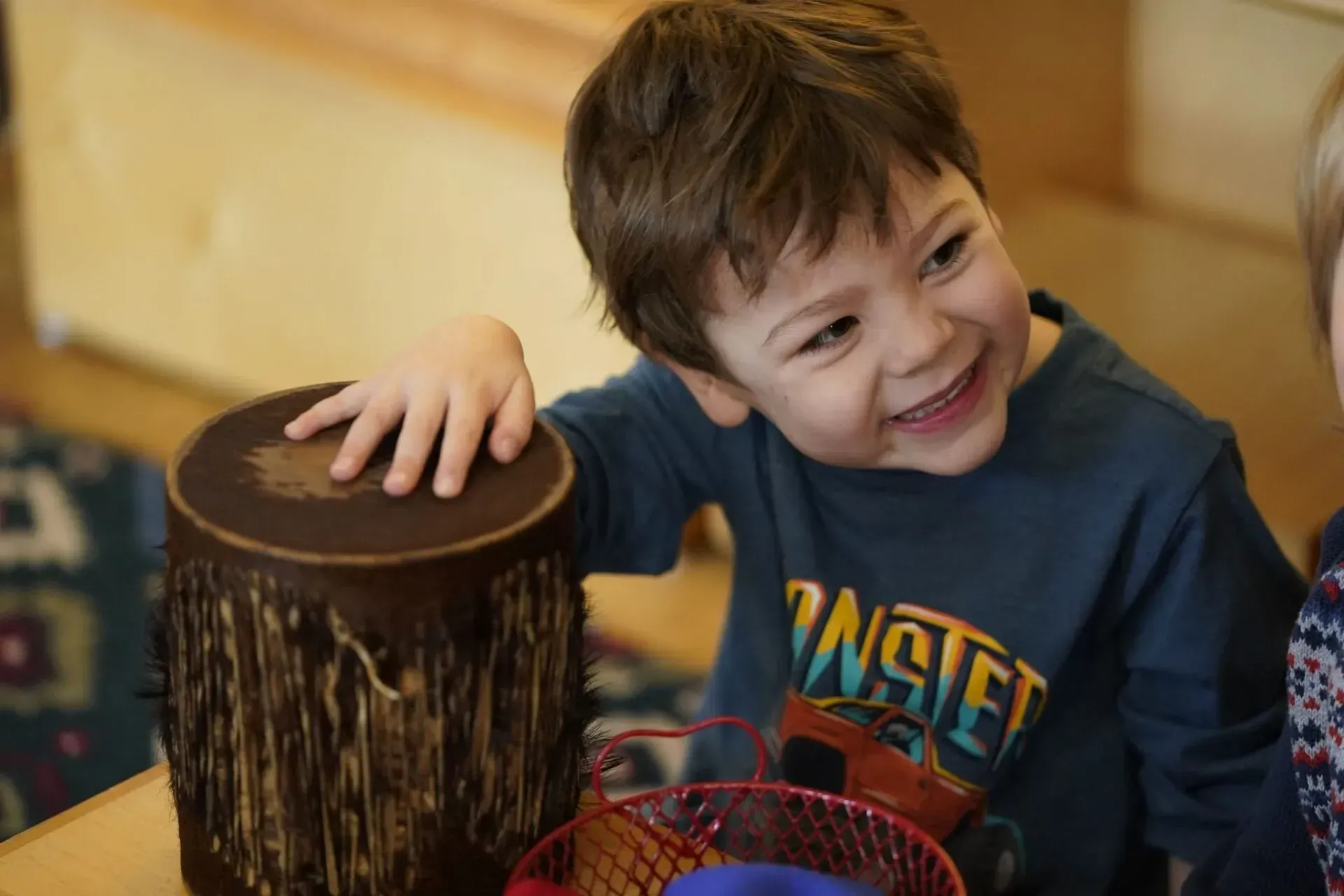
We are committed to fostering a community where all children, families, staff members, and board members feel a sense of belonging.
In accordance with the CRMS Strategic Plan, we continue to work to strengthen diversity and inclusiveness in our community. CRMS strives to provide a culturally competent curriculum in the context of the Montessori philosophy’s commitment to social justice and peace.
Resources
Below are some of the resources that our school community relies upon to do this work.
Learning for Justice
is an extensive resource from the Southern Poverty Law Center with information on teaching about race and ethnicity, ability, class, immigration, gender, and sexual identity, bullying and bias, and rights and activism.
Working to Extend Anti-Racist Education
is a Durham-based organization that facilitates programs for children, pre-service teachers, and teachers to gain an understanding of race, racism, and recognizing racist practices.
EmbraceRace
is a multiracial online community of parents, teachers, experts, and other caring adults who support each other to meet the challenges that race poses to our children, families, and communities.
Montessori for Social Justice
is a multiracial online community of parents, teachers, experts, and other caring adults who support each other to meet the challenges that race poses to our children, families, and communities.
Resources for Educators & Education Leaders
- Defining LGBTQ Words for Children
- Our Big Work: Reflections on being Anti-Racist Montessorians
- Teaching Tolerance Guide in working with educators, students, and facilitators
- The 8 R’s of Talking About Race: How to Have Meaningful Conversations
- Tools and toolkit to change how we talk about race and racial equity
- White Privilege: Unpacking the Invisible Knapsack, Peggy McIntosh